Impact Report - The Implementation of Sensory Rooms in StartBright Early Learning Centres

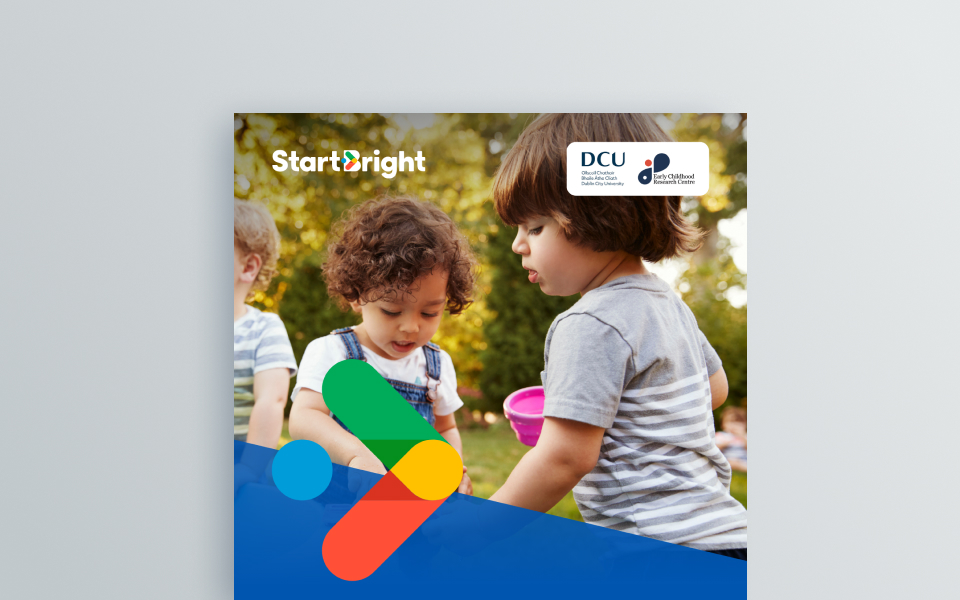
This report examines the implementation and impact of sensory rooms across StartBright Early Learning Centres, with a particular focus on Greenhills and Bawnogue. It presents sensory environments as inclusive, responsive spaces designed to support children’s emotional regulation, engagement, and participation in learning.
The findings show how sensory rooms were developed to meet the diverse needs of children. In Greenhills, the provision emerged as a needs-based response to observed patterns of dysregulation, while in Bawnogue the space was collaboratively designed as a therapeutic environment to support wellbeing and reduce anxiety. Across both settings, the sensory rooms function as flexible spaces that support a wide range of developmental, emotional, and sensory needs.
A key outcome highlighted in the report is the shift from educator-led use of the sensory room to child-initiated engagement. Over time, children began to recognise their own needs and independently access the space as a strategy for self-regulation. This reflects growing confidence, autonomy, and awareness of their own wellbeing.
The report also emphasises the role of professional learning in supporting this work. Educators engaged in targeted training and reflective practice, leading to a deeper understanding of children’s sensory needs and more responsive, consistent approaches across the centres.
We would like to sincerely acknowledge the dedication, commitment, and collaborative efforts of all the educators, Educational Leaders, children, and families within StartBright Greenhills and StartBright Bawnogue who contributed to the development of this report. We also wish to recognise and thank the wider StartBright community for their ongoing support, encouragement, and shared commitment to quality early learning and care. Their openness, engagement, and commitment to supporting high-quality experiences and outcomes for children is invaluable in the StartBright Way. The voices, experiences, and contributions of the children remain at the centre of this work. Without the collective efforts and continued dedication of everyone involved, this report would not have been possible.